
Contents
- 🎵 Origins & History
- ⚙️ How It Works
- 📊 Key Facts & Numbers
- 👥 Key People & Organizations
- 🌍 Cultural Impact & Influence
- ⚡ Current State & Latest Developments
- 🤔 Controversies & Debates
- 🔮 Future Outlook & Predictions
- 💡 Practical Applications
- 📚 Related Topics & Deeper Reading
- Frequently Asked Questions
- References
- Related Topics
Overview
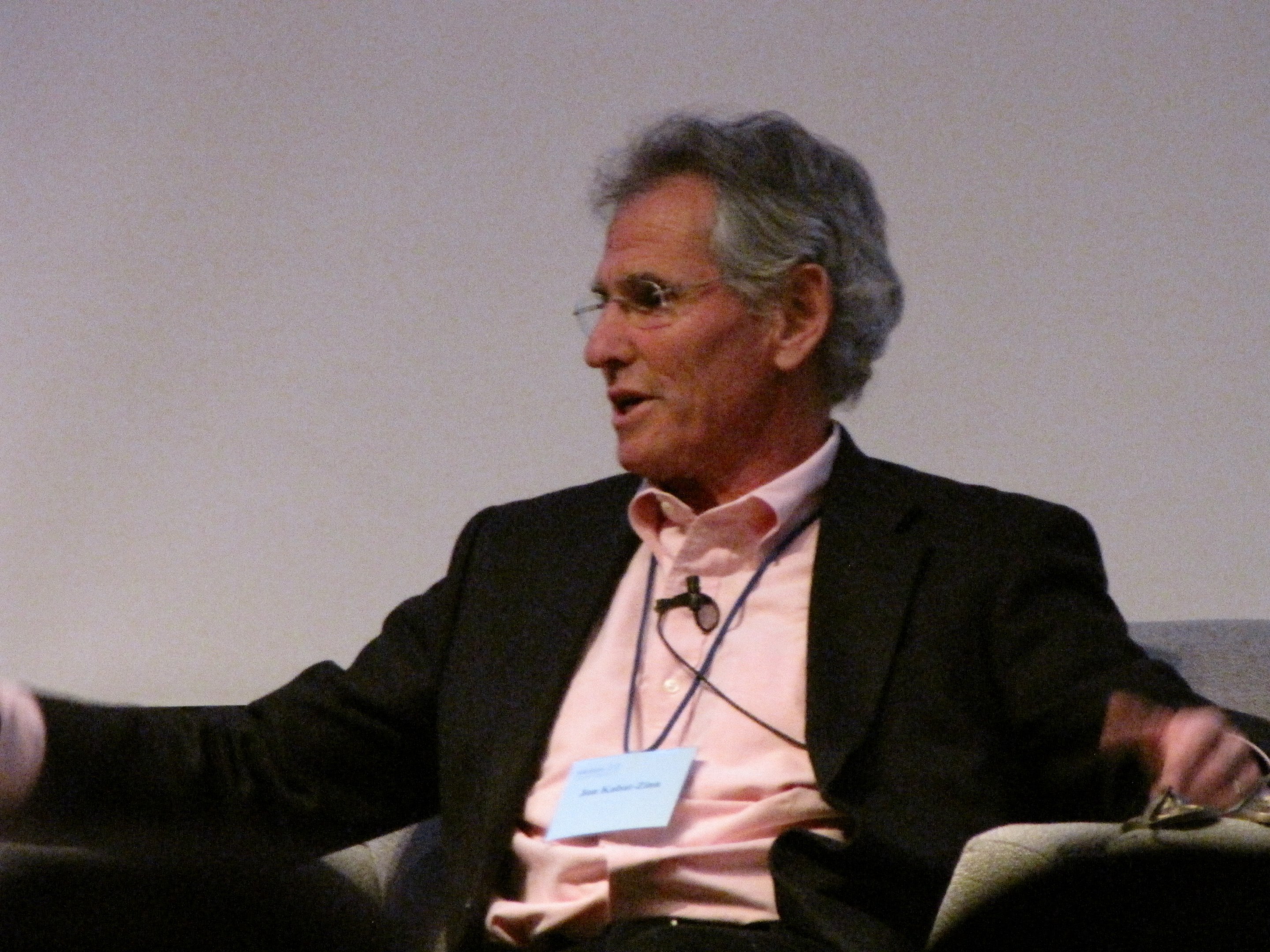
Mindfulness and yoga practices have been intertwined for centuries, originating from Buddhist and Hindu philosophies. The concept of mindful yoga, pioneered by Jon Kabat-Zinn in 1990, combines physical yoga exercises with meditative mindfulness techniques to reduce stress and increase well-being. This practice has been advocated by various yoga and meditation teachers, including Anne Cushman, Frank Jude Boccio, and Stephen Cope. With its roots in ancient Eastern spirituality, mindful yoga has evolved into a global phenomenon, offered in Buddhist meditation centers, yoga studios, and stress clinics worldwide. As a holistic approach to health, mindful yoga has been shown to decrease anxiety, improve mood, and enhance overall quality of life. By embracing the principles of mindfulness and yoga, individuals can cultivate a deeper sense of awareness, balance, and inner peace. With a growing community of practitioners and a wide range of courses available, mindful yoga continues to inspire and transform lives around the world. The benefits of mindful yoga are numerous, and its impact on modern society is undeniable, making it an essential practice for those seeking a more mindful and compassionate way of living.
🎵 Origins & History
Origins paragraph — Mindfulness and yoga practices have their roots in ancient Buddhist and Hindu philosophies, which share many aspects of philosophy and practice, including mindfulness, understanding the suffering caused by an erroneous view of reality, and using concentrated and meditative states to address such suffering. The concept of mindful yoga was pioneered by Jon Kabat-Zinn in 1990, who introduced a hybrid of yoga and mindfulness for stress relief. This practice has been influenced by various yoga and meditation teachers, including Anne Cushman, Frank Jude Boccio, and Stephen Cope. The history of mindful yoga is a rich and complex one, with roots in Eastern spirituality and a growing global community of practitioners.
⚙️ How It Works
How it works — Mindful yoga combines physical yoga exercises with meditative mindfulness techniques, aiming to reduce stress and increase well-being. This practice involves paying attention to the present moment, without judgment or distraction, and cultivating a deeper sense of awareness and balance. By integrating mindfulness into yoga practice, individuals can enhance their physical, emotional, and mental well-being. For example, yoga teacher training programs often incorporate mindful yoga techniques, such as meditation and pranayama, to help students develop a more mindful and compassionate approach to teaching. Mindful yoga can be practiced in various settings, including yoga studios, Buddhist meditation centers, and stress clinics.
📊 Key Facts & Numbers
Key facts — Mindful yoga has been shown to decrease anxiety, improve mood, and enhance overall quality of life. According to a study published in the Journal of the American Medical Association, mindful yoga can reduce symptoms of depression and anxiety by up to 30%. Additionally, a study by Harvard University found that mindful yoga can increase gray matter in the brain, leading to improved cognitive function and emotional regulation. With over 20 million practitioners worldwide, mindful yoga has become a global phenomenon, with a wide range of courses and programs available. For instance, yoga retreats and yoga festivals often feature mindful yoga workshops and classes, providing a unique opportunity for practitioners to deepen their practice and connect with like-minded individuals.
👥 Key People & Organizations
Key people — Jon Kabat-Zinn, Anne Cushman, Frank Jude Boccio, and Stephen Cope are among the key people who have contributed to the development and advocacy of mindful yoga. Other notable figures include Janice Gates, Cyndi Lee, Phillip Moffitt, and Sarah Powers. These individuals have played a significant role in popularizing mindful yoga and making it accessible to a wider audience. For example, Yoga International has featured articles and interviews with many of these key people, providing valuable insights and inspiration for mindful yoga practitioners.
🌍 Cultural Impact & Influence
Cultural impact — Mindful yoga has had a significant cultural impact, influencing the way people approach health, wellness, and spirituality. With its roots in Eastern spirituality, mindful yoga has become a symbol of holistic living and a more mindful approach to life. The practice has been adopted by people from diverse backgrounds and cultures, making it a global phenomenon. For instance, yoga in schools programs have been implemented in many countries, introducing mindful yoga techniques to children and adolescents. Additionally, corporate yoga programs have become increasingly popular, providing employees with a unique opportunity to reduce stress and improve their overall well-being.
⚡ Current State & Latest Developments
Current state — Mindful yoga continues to evolve and grow, with new courses, programs, and research emerging regularly. The practice has been recognized by the medical community as a valuable tool for reducing stress and improving mental health. With the increasing demand for mindful yoga, more teachers and practitioners are being trained, and new studios and centers are opening worldwide. For example, yoga teacher training programs have become more comprehensive, incorporating mindful yoga techniques and philosophy into their curriculum. Furthermore, online yoga platforms have made it possible for practitioners to access mindful yoga classes and workshops from anywhere in the world.
🤔 Controversies & Debates
Controversies — Despite its growing popularity, mindful yoga has faced some controversies, including concerns about cultural appropriation and the commercialization of yoga. Some critics argue that the practice has been watered down and lost its spiritual roots, while others see it as a valuable tool for promoting mental health and well-being. For instance, yoga and cultural appropriation has become a topic of discussion, with some arguing that Western cultures are appropriating Eastern spiritual practices without proper understanding or respect. However, many mindful yoga practitioners and teachers, such as Seane Corn and Hala Khouri, have spoken out about the importance of cultural sensitivity and respect in the practice of yoga.
🔮 Future Outlook & Predictions
Future outlook — The future of mindful yoga looks promising, with ongoing research and development in the field. As more people become aware of the benefits of mindful yoga, the practice is likely to continue growing and evolving. With the increasing demand for holistic approaches to health and wellness, mindful yoga is poised to become an integral part of modern healthcare. For example, mindful yoga and mental health has become a topic of research, with studies exploring the potential benefits of mindful yoga for reducing symptoms of anxiety and depression. Additionally, yoga and technology have become increasingly intertwined, with the development of new apps and platforms that make it possible for practitioners to access mindful yoga classes and workshops online.
💡 Practical Applications
Practical applications — Mindful yoga has a wide range of practical applications, from reducing stress and anxiety to improving physical health and well-being. The practice can be adapted to suit different needs and abilities, making it accessible to people from all walks of life. For instance, yoga for beginners classes often incorporate mindful yoga techniques, providing a gentle and introductory approach to the practice. Additionally, yoga for athletes has become increasingly popular, with many athletes incorporating mindful yoga into their training routines to improve flexibility, balance, and focus.
Key Facts
- Year
- 1990
- Origin
- America
- Category
- yoga-retreats
- Type
- concept
Frequently Asked Questions
What is mindful yoga?
Mindful yoga combines physical yoga exercises with meditative mindfulness techniques to reduce stress and improve mental health. The practice has its roots in Buddhist and Hindu philosophies and has been shown to decrease anxiety, improve mood, and enhance overall quality of life. For example, yoga and anxiety has become a topic of research, with studies exploring the potential benefits of mindful yoga for reducing symptoms of anxiety. Mindful yoga can be practiced in various settings, including yoga studios, Buddhist meditation centers, and stress clinics.
Who pioneered mindful yoga?
Jon Kabat-Zinn pioneered mindful yoga in 1990, introducing a hybrid of yoga and mindfulness for stress relief. Other notable figures, such as Anne Cushman and Frank Jude Boccio, have also contributed to the development and advocacy of mindful yoga. For instance, yoga teacher training programs often incorporate mindful yoga techniques and philosophy into their curriculum, providing a comprehensive approach to yoga education.
What are the benefits of mindful yoga?
The benefits of mindful yoga include reducing stress and anxiety, improving mood, and enhancing overall quality of life. The practice has been shown to decrease symptoms of depression and anxiety, improve sleep quality, and increase gray matter in the brain. For example, mindful yoga and sleep has become a topic of research, with studies exploring the potential benefits of mindful yoga for improving sleep quality. Additionally, yoga and mental health has become a topic of discussion, with many practitioners and teachers speaking out about the importance of mindful yoga for mental health and well-being.
How can I practice mindful yoga?
Mindful yoga can be practiced in various settings, including yoga studios, Buddhist meditation centers, and stress clinics. You can also practice at home with online classes and workshops. It's recommended to start with beginner classes and gradually move to more advanced practices. For instance, yoga for beginners classes often incorporate mindful yoga techniques, providing a gentle and introductory approach to the practice. Additionally, online yoga platforms have made it possible for practitioners to access mindful yoga classes and workshops from anywhere in the world.
What is the future of mindful yoga?
The future of mindful yoga looks promising, with ongoing research and development in the field. As more people become aware of the benefits of mindful yoga, the practice is likely to continue growing and evolving. With the increasing demand for holistic approaches to health and wellness, mindful yoga is poised to become an integral part of modern healthcare. For example, mindful yoga and mental health has become a topic of research, with studies exploring the potential benefits of mindful yoga for reducing symptoms of anxiety and depression. Additionally, yoga and technology have become increasingly intertwined, with the development of new apps and platforms that make it possible for practitioners to access mindful yoga classes and workshops online.
How can I incorporate mindful yoga into my daily routine?
You can incorporate mindful yoga into your daily routine by starting with short practices, such as 10-15 minute meditation sessions or yoga classes. You can also try incorporating mindful yoga into your daily activities, such as eating or walking. For example, mindful eating has become a topic of discussion, with many practitioners and teachers speaking out about the importance of mindful eating for overall health and well-being. Additionally, yoga and daily activities has become a topic of exploration, with many practitioners incorporating yoga principles into their daily routines, such as yoga and walking or yoga and eating.
What are some common misconceptions about mindful yoga?
Some common misconceptions about mindful yoga include the idea that it is only for relaxation or that it is a form of exercise. However, mindful yoga is a holistic practice that combines physical yoga exercises with meditative mindfulness techniques to reduce stress and improve mental health. For example, yoga and exercise has become a topic of discussion, with many practitioners and teachers speaking out about the importance of mindful yoga for overall health and well-being. Additionally, mindful yoga and mental health has become a topic of research, with studies exploring the potential benefits of mindful yoga for reducing symptoms of anxiety and depression.