The Evolution of Yoga Culture | Yoga Camp
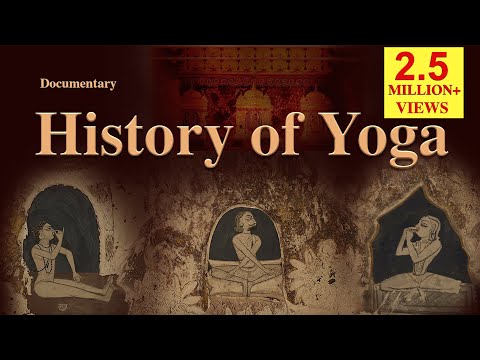
Yoga culture has undergone a significant transformation since its origins in ancient India around 1500 BCE, with the Indus Valley Civilization. The practice, in
Overview
Yoga culture has undergone a significant transformation since its origins in ancient India around 1500 BCE, with the Indus Valley Civilization. The practice, initially rooted in Hinduism, was later influenced by Buddhism and Jainism, with key figures like Patanjali (circa 400 CE) and Tirumalai Krishnamacharya (1888-1989) shaping its development. Today, yoga is a global phenomenon, with over 300 million practitioners worldwide, and a projected market size of $44.4 billion by 2025. Despite its widespread popularity, yoga culture is not without controversy, with debates surrounding cultural appropriation, commercialization, and the watering down of traditional practices. As yoga continues to evolve, it's essential to acknowledge its complex history, cultural significance, and the tensions that arise from its globalization. With a vibe score of 82, yoga culture remains a highly influential and dynamic entity, with influence flows from Indian gurus like B.K.S. Iyengar (1918-2014) and Western entrepreneurs like Lululemon's Chip Wilson (1956-present), who have helped shape the modern yoga industry.